

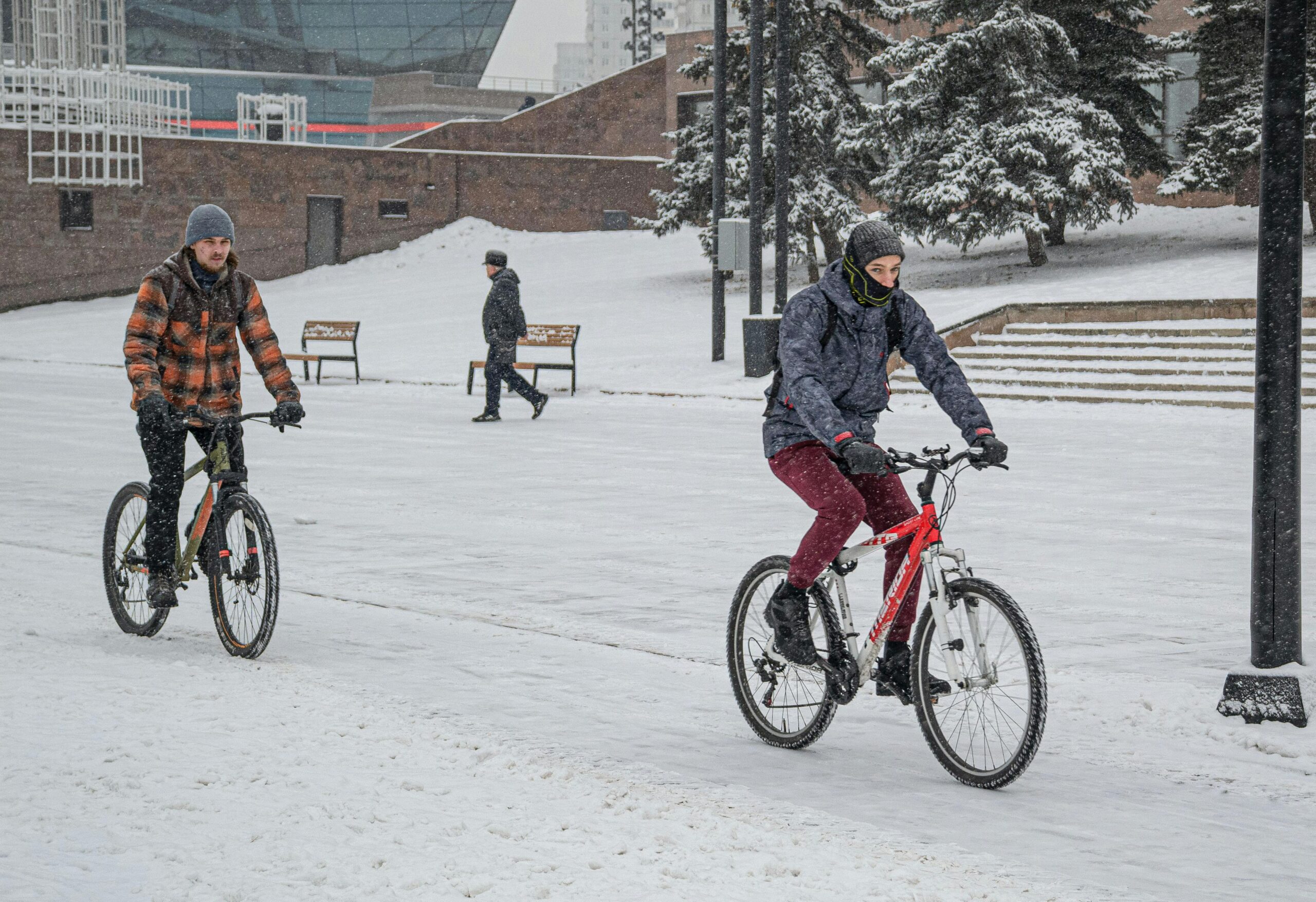
- Stockholm, Sweden: Around 34% of residents cycle during winter months, despite temperatures dipping to –10°C.
- Oslo, Norway: Winter cycling has grown rapidly — 15% of all journeys in 2022 were by bike, up from 7% in 2015.
- Everyday Riders: Parents in towns like Lund cycle daily to drop children at school and commute to work, covering 5 km routes even in icy conditions.
🌍 Why They Keep Riding
- Culture: Cycling is seen as normal, not seasonal. People plan their lives around bikes, not cars.
- Economics: Riding is cheaper than driving or public transport, especially in high-cost Scandinavian cities.
- Health & Environment: Cycling keeps people active and reduces emissions, aligning with sustainability goal
Lessons for India
India doesn’t face Scandinavian winters, but the mindset shift is relevant:
- Infrastructure First: Dedicated cycle lanes, smooth surfaces, and safe crossings can make cycling viable year-round.
- Cultural Acceptance: Just as Scandinavians normalize cycling in snow, Indian cities must normalize cycling in traffic-heavy conditions.
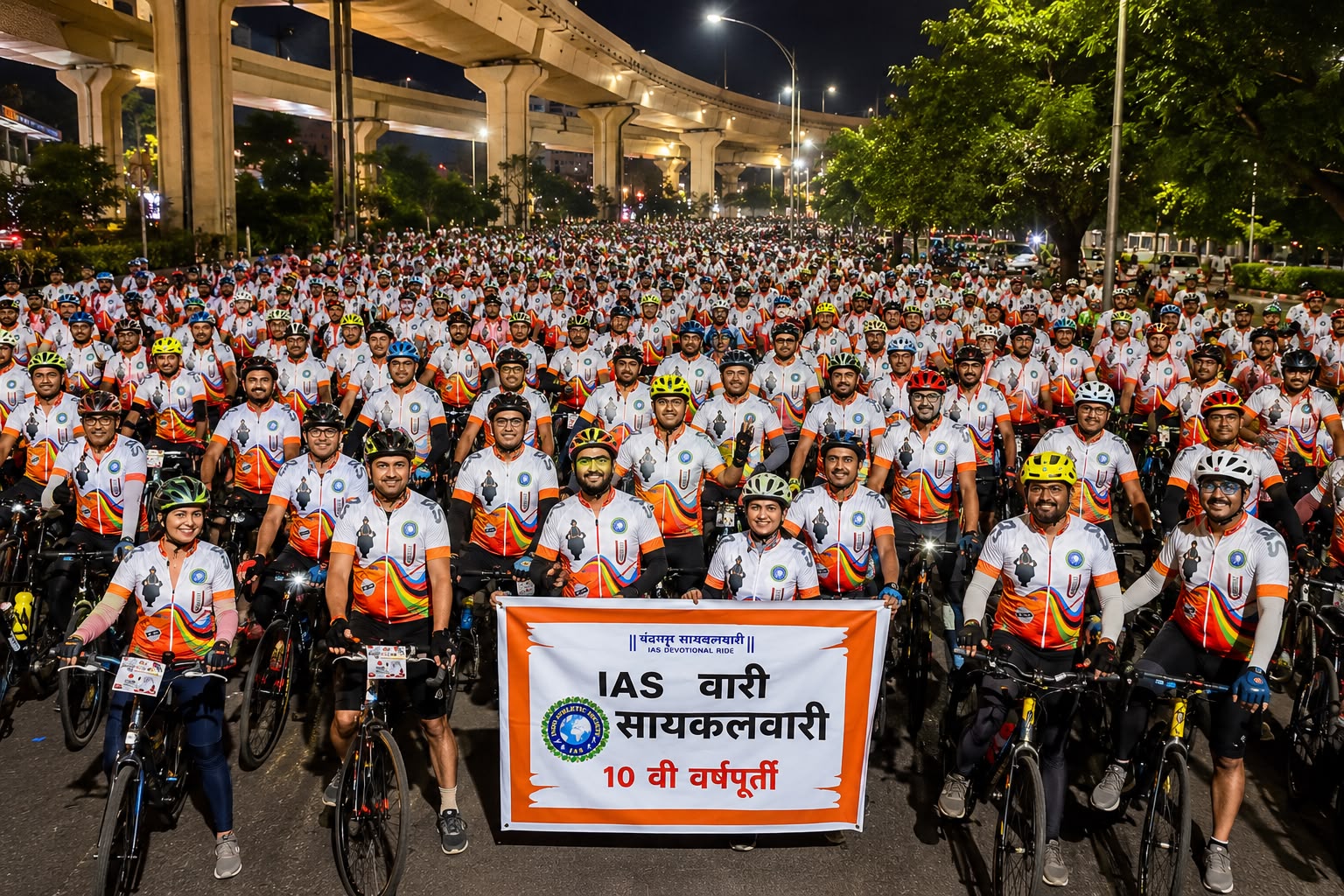
- Policy Push: Initiatives like Fit India’s “Sundays on Cycle” and races like the Pune Grand Tour show how events can spark enthusiasm.
- Commuter Potential: With pollution and congestion worsening, cycling could become the smartest option for short urban trips.
⚖️ Barriers India Must Overcome
- Heat & Pollution: Unlike Scandinavia’s cold, India’s challenge is extreme heat and poor air quality.
- Safety Concerns: Lack of protected lanes discourages riders.
- Perception: Cycling is still seen by many as “poor man’s transport.” Changing this narrative is crucial.
✨ Final Take
Scandinavians cycle through snow because their cities make it possible and their culture makes it normal. For India, the lesson is clear: if infrastructure, policy, and perception align, cycling can thrive in any climate. What Scandinavia does in –10°C, India can do in +40°C — if we choose to pedal forward.











Leave a Reply