

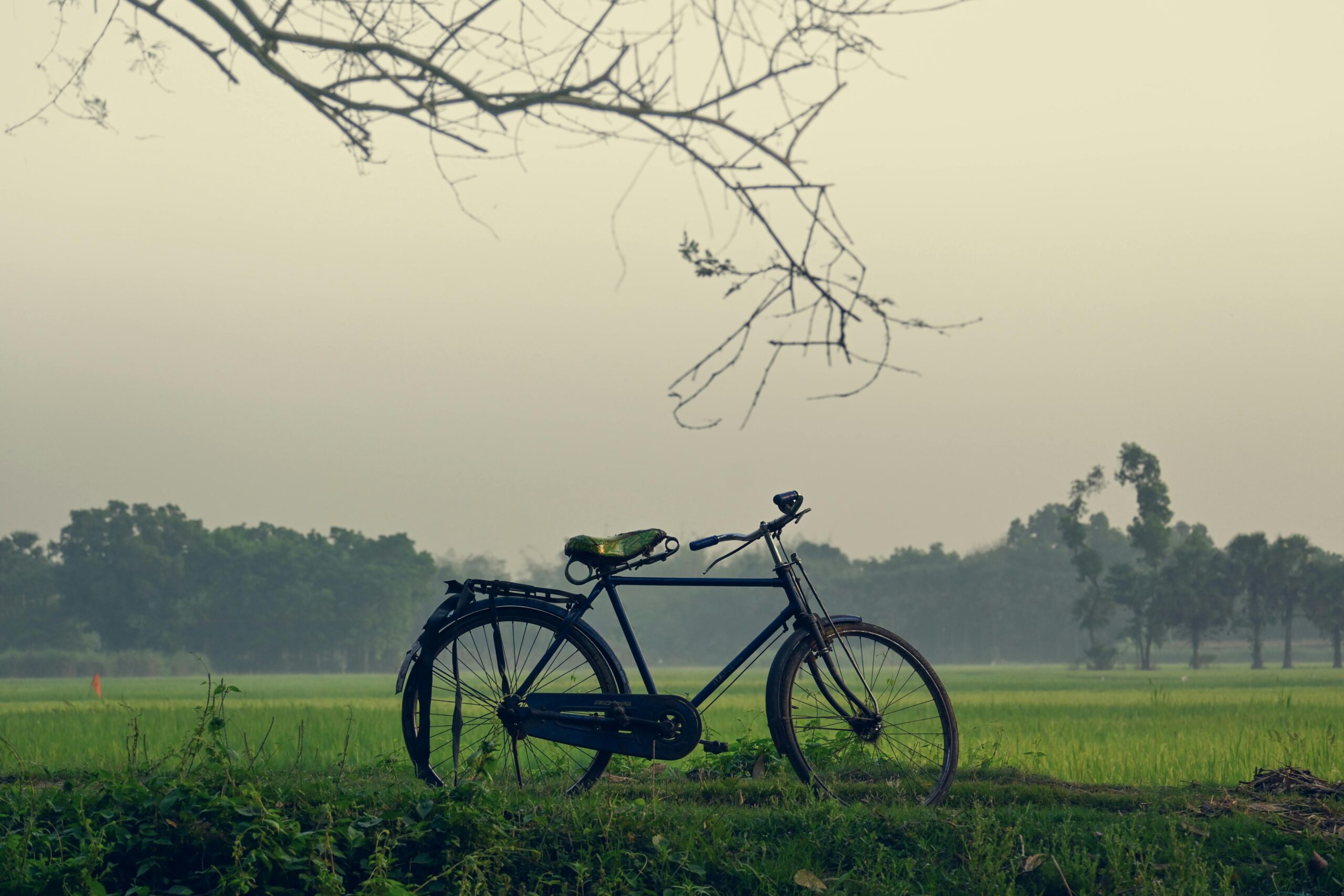
- For decades, the humble bicycle was dismissed as the poor man’s transport. Yet, if you look closer, the cycle has always been more than just two wheels and a frame — it’s been a symbol of freedom, empowerment, and resilience. And now, India seems ready to rediscover that truth.
- Introduced during colonial times, bicycles quickly became part of everyday Indian life. By the 1950s, local brands like Atlas and Hercules made cycling affordable, embedding it into the country’s social fabric. Historian David Arnold even argued that bicycles, alongside sewing machines and typewriters, reshaped ideas of class, race, and gender in India.
📊 Who Owned the Cycle?
Surveys show that cycles were most common among India’s poorest households. In cities like Delhi and Jaipur, workers relied on them for daily commutes well into the 1970s. But as incomes rose in the 2000s, aspirations shifted to scooters and cars, and cycling slowly faded from the urban imagination.
🌍 Pandemic Push
Then came Covid-19. With buses and trains seen as unsafe, bicycles suddenly became the safest, most affordable option. Across the world, governments encouraged cycling, and Indian cities too began to witness a surge. What was once necessity is now being rebranded as lifestyle — a bicycle revolution in the making.
- A 2016 survey revealed that the poorest 20% of households owned most of the bicycles in India.
- In cities like Delhi, Jaipur, and Hyderabad, even in the 1970s, cycles were largely used by low-income workers.
- Rising incomes in the 2000s saw a decline in non-motorized transport, as people aspired to own scooters and cars.
⚖️ Barriers That Still Exist
- Gender: Cycle brands carried masculine names, and women riders remained underrepresented.
- Perception: For years, cycles were seen as “poor man’s transport.” Changing this mindset is crucial to making cycling aspirational again.
🚴 The New Culture Emerging
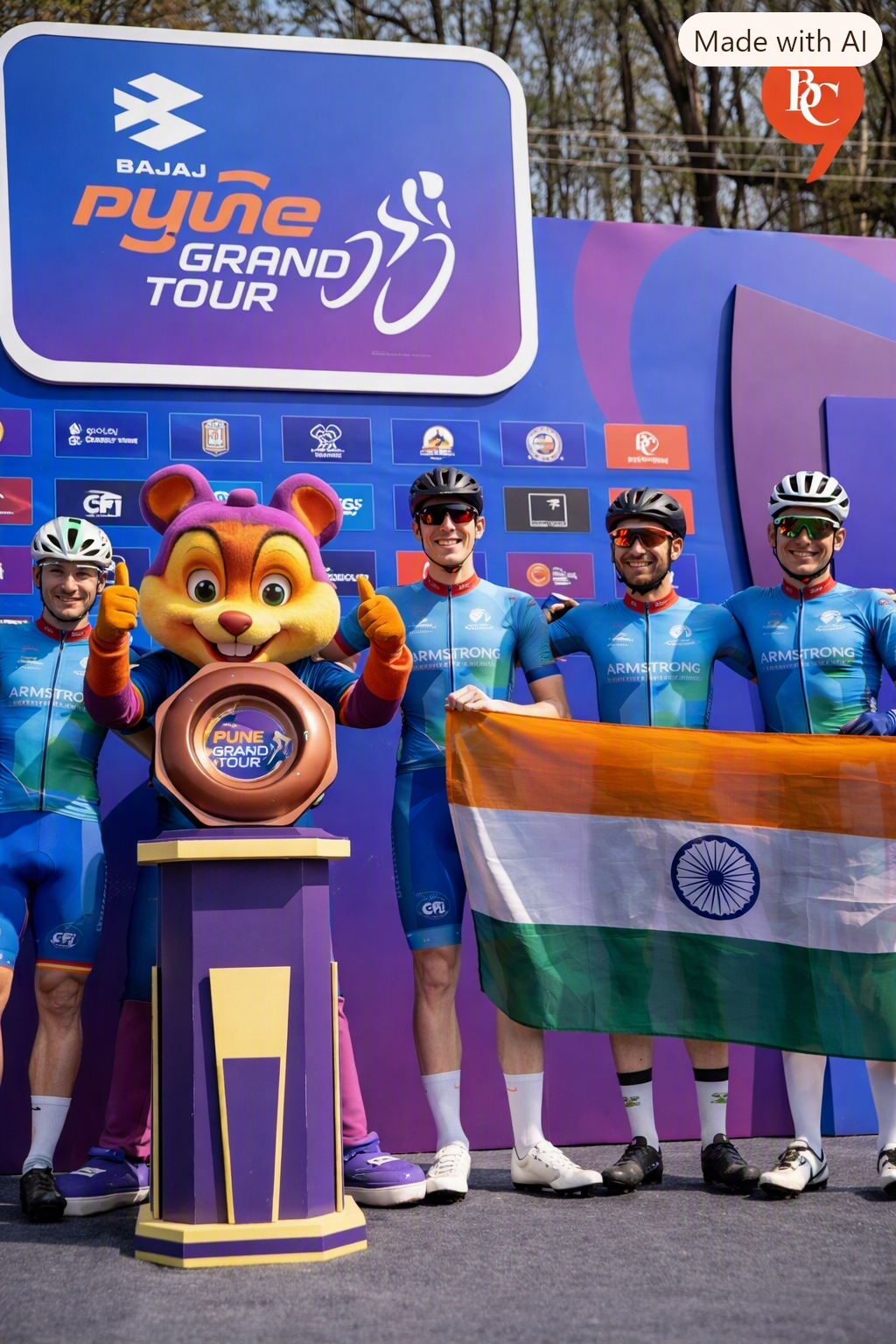
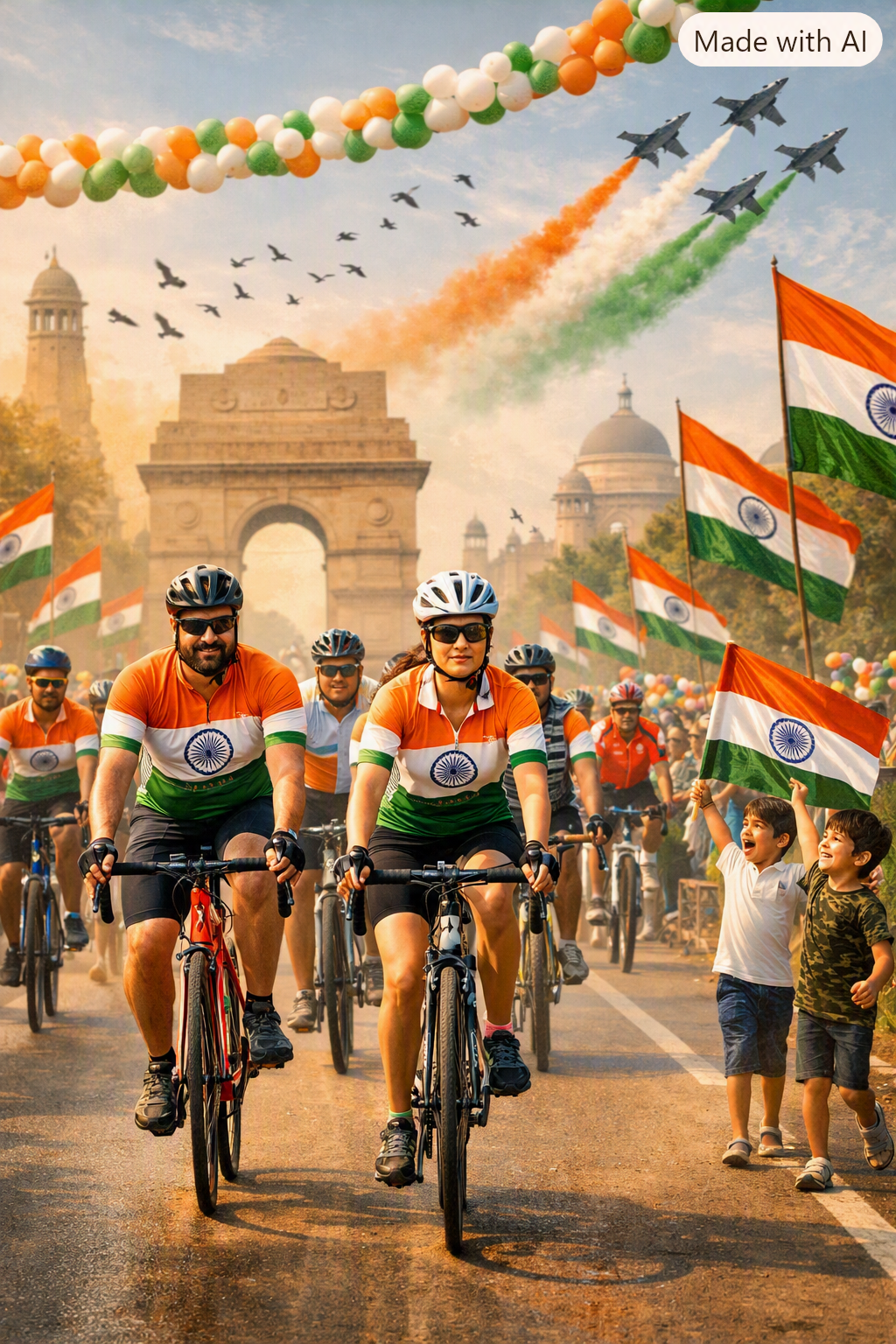
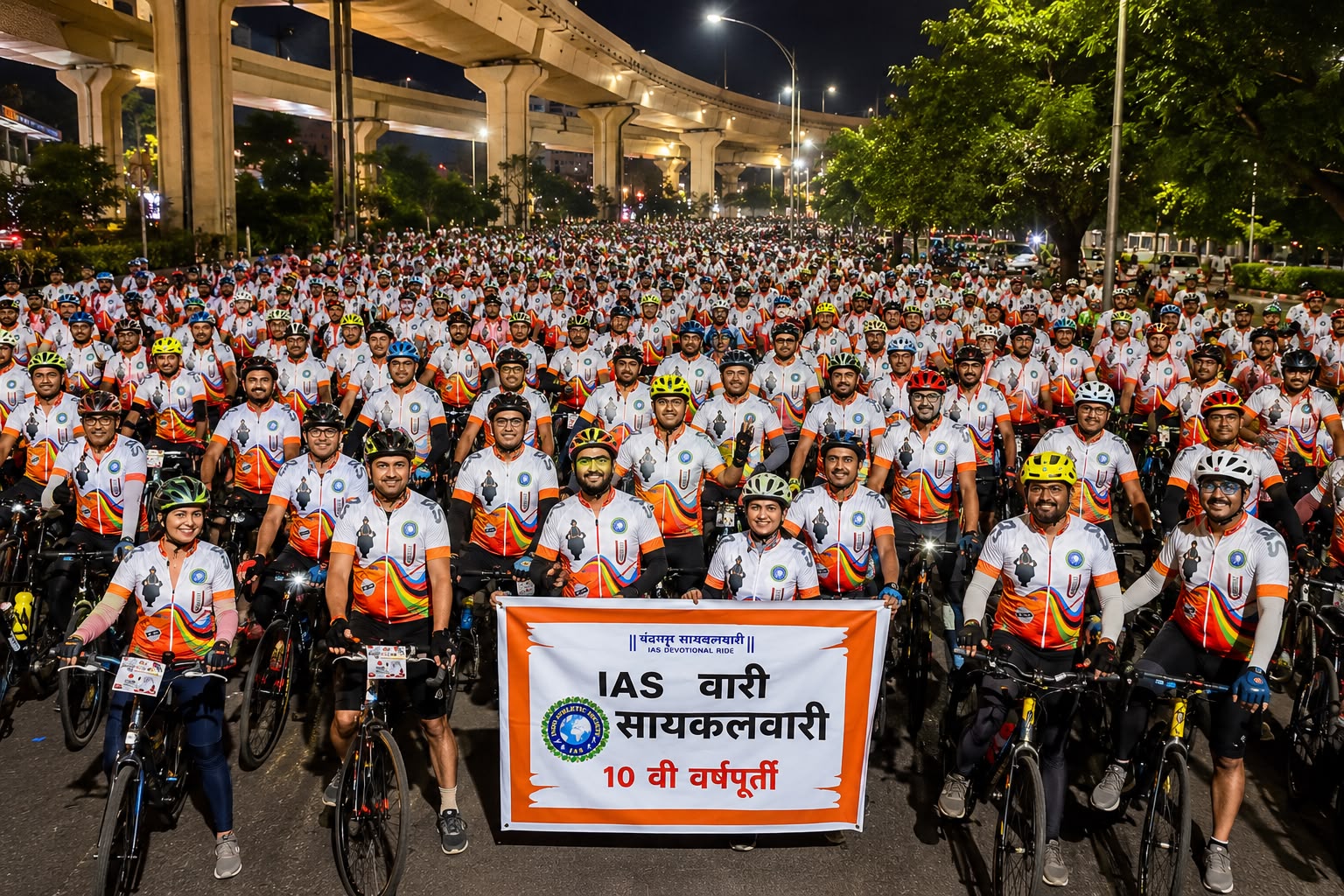
Today, bicycles are not just about commuting. They’re about fitness, sustainability, and pride. Events like the Pune Grand Tour and initiatives like Fit India’s Sundays on Cycle are helping India reclaim its cycling heritage. Urban youth, athletes, and everyday commuters are all part of this new wave.
✨ Why It Matters
If embraced, bicycles could once again symbolize mobility, empowerment, and status. They offer solutions to pollution, traffic, and health challenges. More importantly, they reconnect India with a culture that was always there — waiting to be rediscovered.











Leave a Reply