

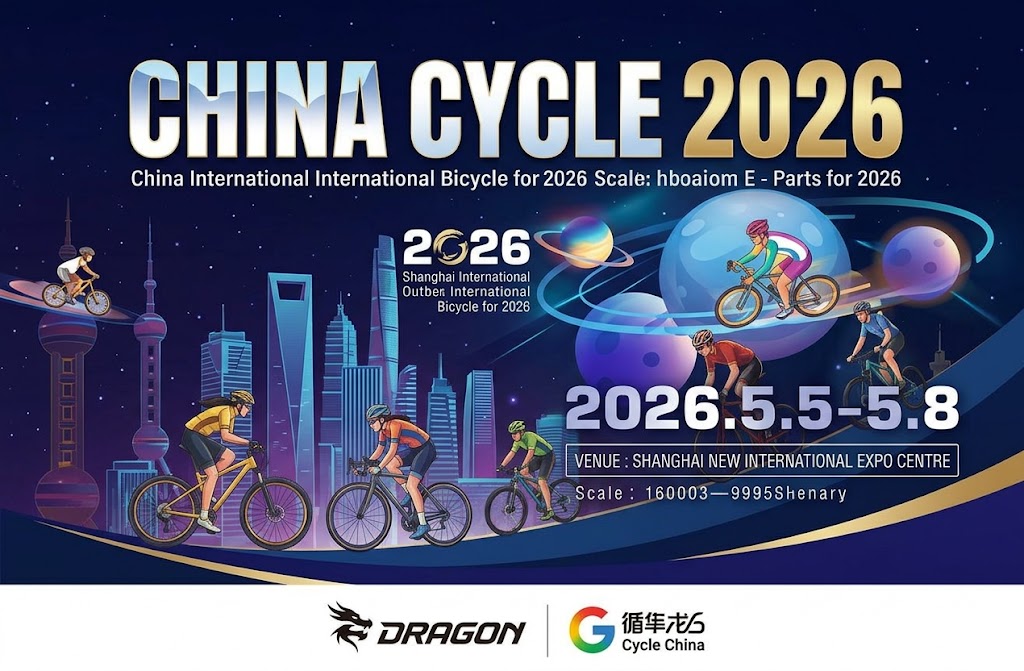
The 2026 China Cycle Show has once again demonstrated why Asia is at the forefront of cycling innovation. From radical frame designs and 3D‑printed titanium components to next‑generation e‑bike motors, the exhibition highlighted how technology is reshaping bicycles for performance, sustainability, and affordability. For India, where cycling is slowly being integrated into urban planning, these innovations could be transformative if adopted and manufactured domestically.
Innovations That Stole the Show
- Radical Frame Designs
Chinese brands unveiled seatstay‑less frames and aero‑optimized geometries tested in wind tunnels, offering performance once reserved for elite racing bikes.
“
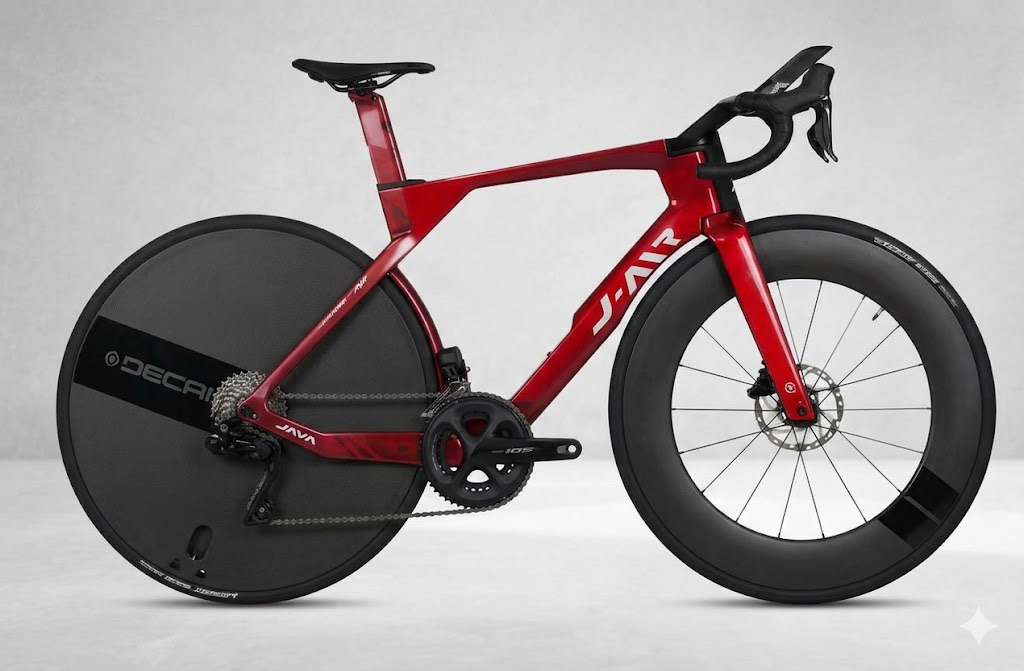
- Java’s J-Air Vittoria offered superbike looks with Shimano 105 Di2 groupset at under £2,000 (~₹2 lakh).This balance of affordability and innovation is crucial for India’s price-sensitive market.
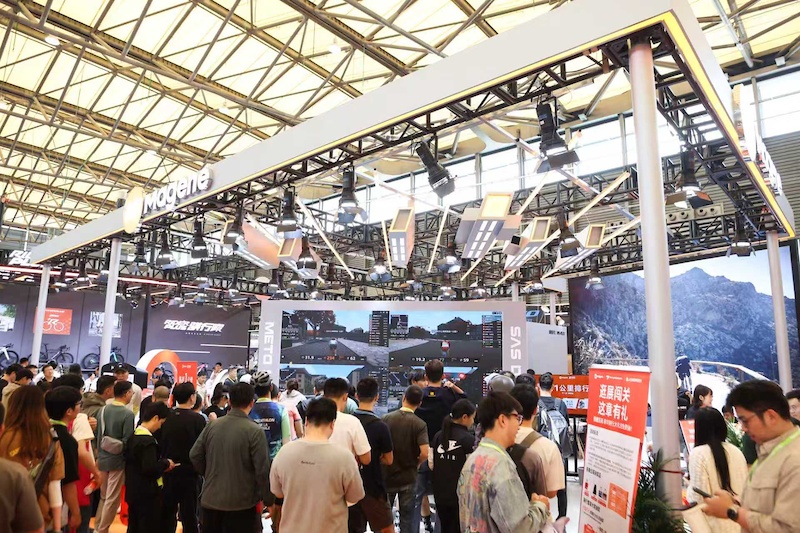
- Magene introduced GPS computers, radar tail lights, and wireless groupsets with long battery life.
- iGPSport and CYCPLUS showcased budget-friendly GPS computers and smart trainers. These products rival Western giants like Garmin and Wahoo at lower costs.
- E-Bike Motor Manufacturing Factory tours revealed Bafang’s advanced e-bike motor production and J&G’s new bike factory in Tianjin, highlighting China’s scale and efficiency
Why India Should Embrace These Innovations
- Urban Mobility Needs: With rising fuel costs and traffic congestion, affordable e-bikes and smart cycling tech could transform commuting in Indian cities.
- Price Sensitivity: India’s cycling market thrives on affordability. Chinese innovations prove that high-performance bikes don’t need premium Western pricing.
- Local Manufacturing Potential: India can replicate China’s model by scaling domestic production of e-bike motors and smart cycling accessories.
- Sports & Fitness Growth: As cycling gains popularity for fitness and sport, advanced yet affordable gear can accelerate adoption.
Courtesy: NERO Cycling
Comparison: China vs. India Cycling Industry
| Feature | China (2026) | India (2026) |
|---|---|---|
| Bike Design | Radical aero frames, experimental geometry | Mostly conventional frames |
| Electronics | GPS computers, radar lights, smart trainers | Limited, dominated by imports |
| E-Bike Motors | Large-scale domestic production (Bafang, J&G) | Small-scale, fragmented |
| Price Range | High-tech bikes under ₹2–3 lakh | Performance bikes often costlier imports |
| Market Focus | Innovation + affordability | Affordability first, innovation lagging |
Challenges & Risks for India
- Infrastructure Gap: Lack of widespread charging stations for e-bikes.
- Import Dependence: Heavy reliance on Chinese components could limit local growth.
- Consumer Awareness: Indian buyers may need education on benefits of advanced cycling electronics.
- Regulatory Hurdles: Standards for e-bike safety and road use remain underdeveloped.
Closing Note
India’s Path Forward
To catch up, India must invest in local manufacturing partnerships, adopt affordable smart cycling tech, and develop cycling infrastructure. The innovations on display in Shanghai are not just futuristic—they’re practical, scalable, and ready to reshape mobility.









Leave a Reply